
Chemical Plating Baths and Surface Treatment Tanks
Engineered for the Toughest Chemical Environments
Chemical Plating Baths and Surface Treatment Tanks
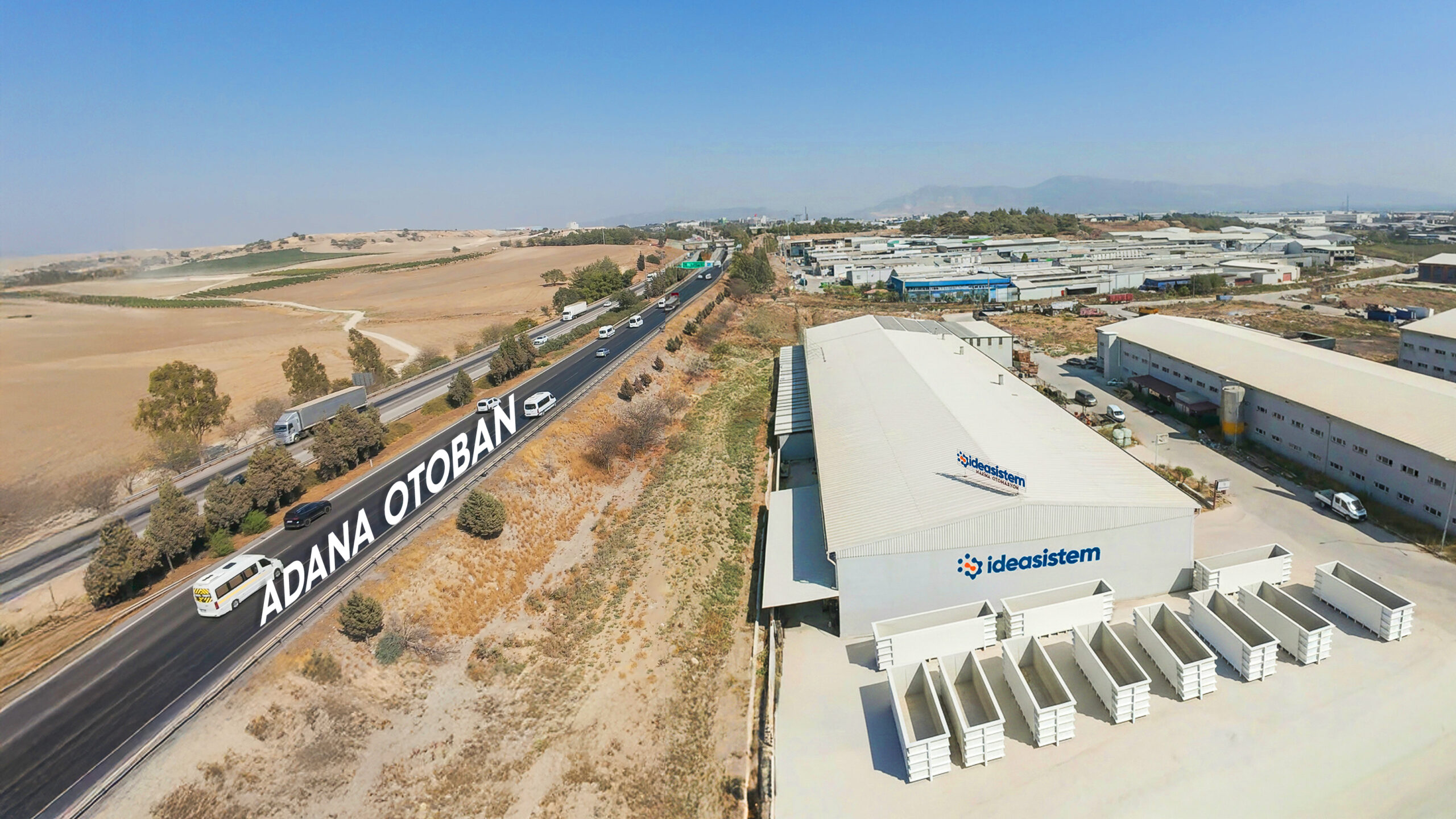
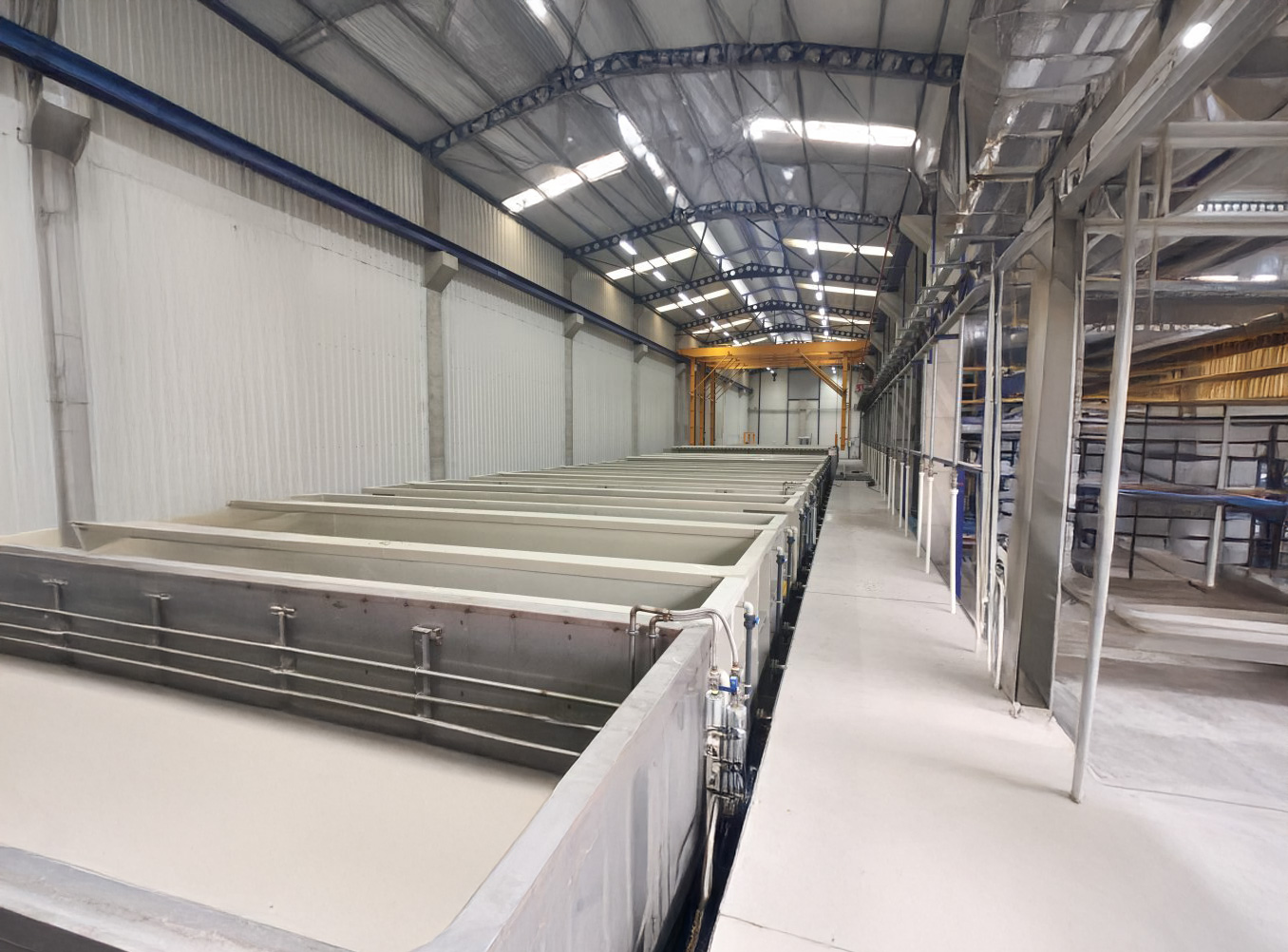
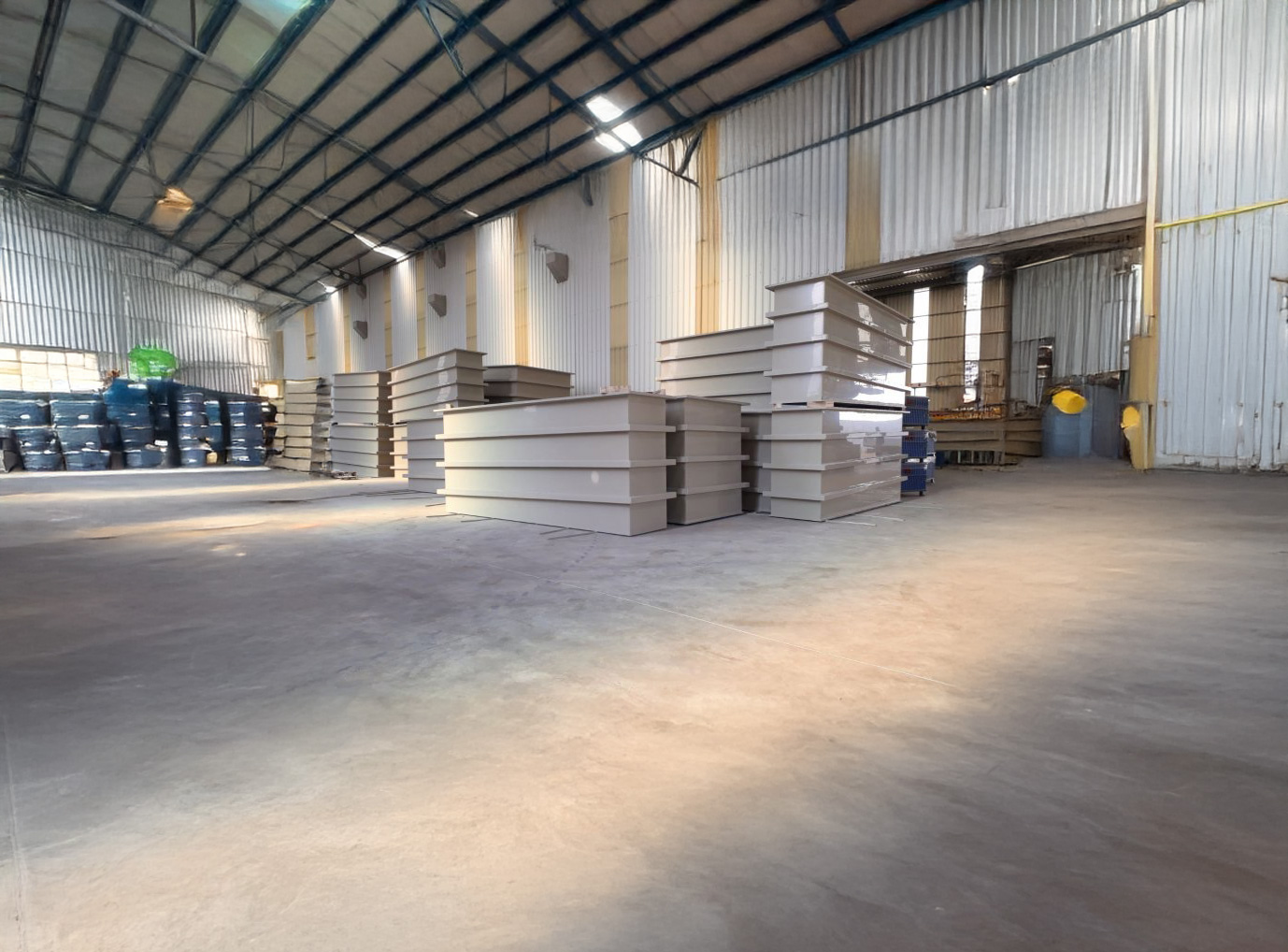
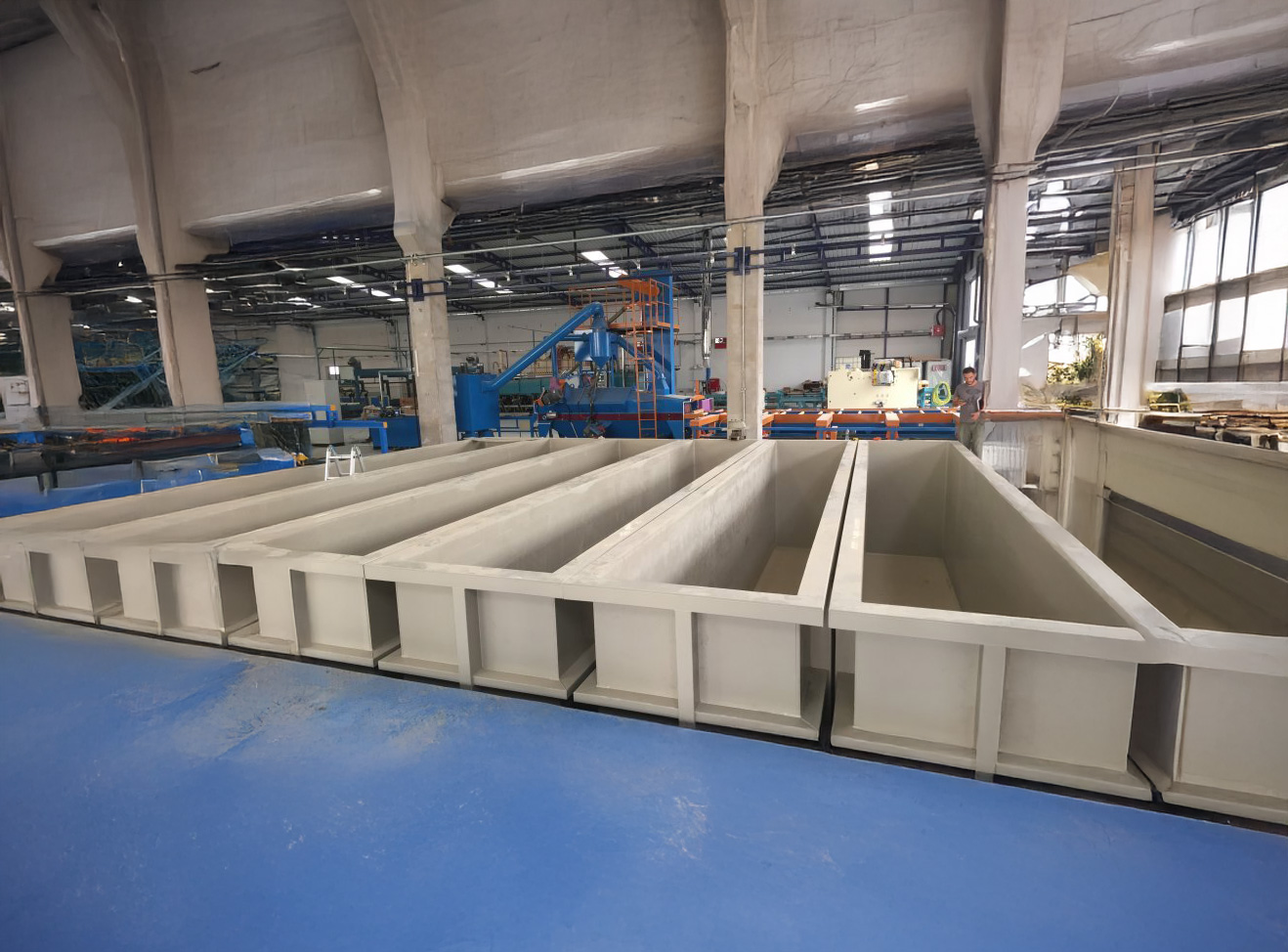
IDEA SISTEM designs, manufactures and installs chemical plating baths, surface treatment tanks and process tanks for industrial applications. Each tank is engineered according to the chemical used, operating temperature, bath capacity, process conditions and plant layout.
Proper material and structural design are essential for reliable operation in anodizing, zinc plating, nickel plating, chrome plating, phosphating, chemical surface preparation and similar processes.
Material Selection and Manufacturing Quality
Depending on the process conditions, materials such as PP, PE, HDPE, PVC, PVDF, SS304, SS316 and carbon steel can be used. For thermoplastic tanks, material selection is based on the type and concentration of the chemical, operating temperature and mechanical loads.
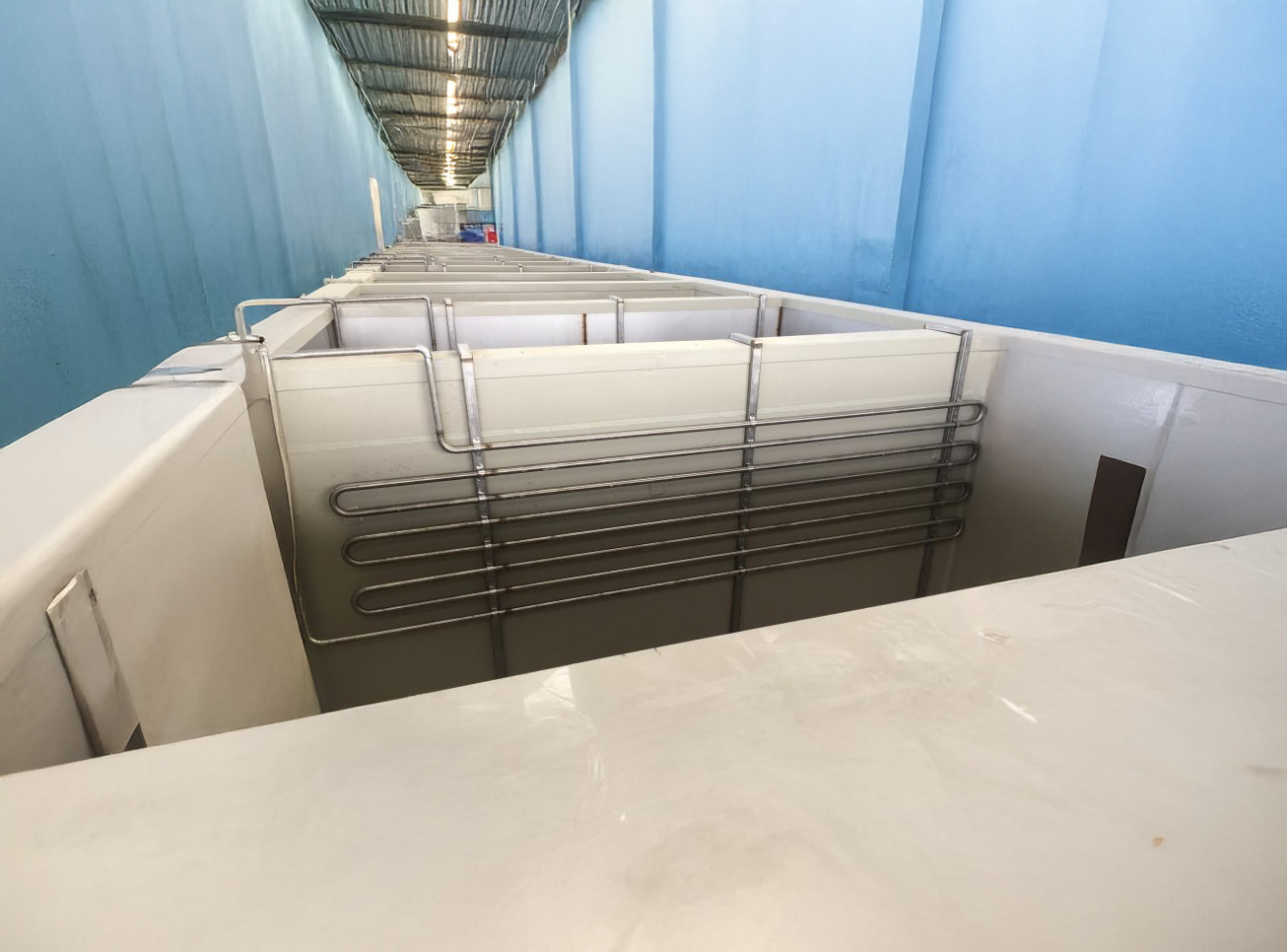
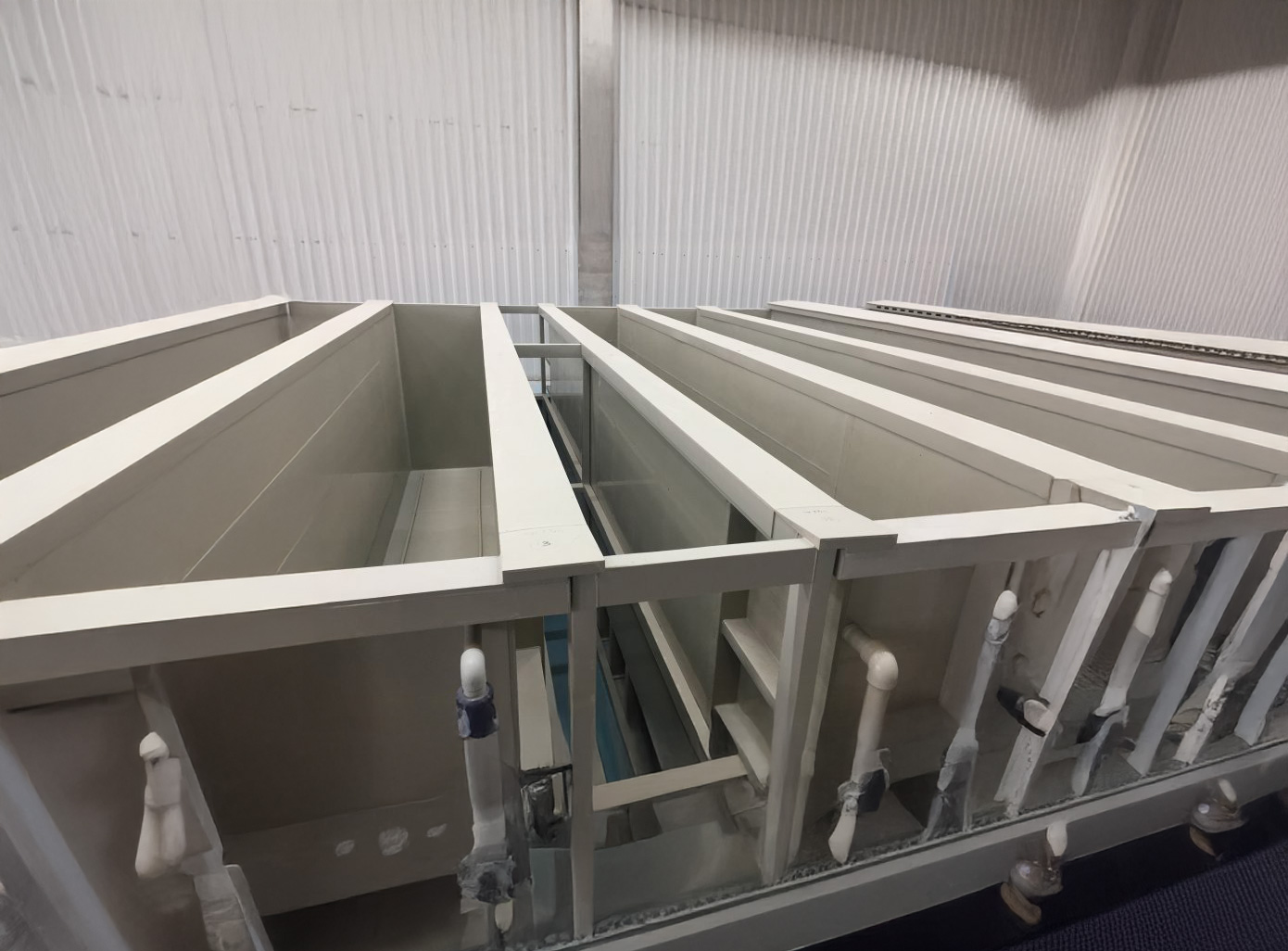
Tank engineering includes not only chemical resistance but also wall thickness, external reinforcement, bottom design, welding geometry, connection points, overflow and drainage details. Welds and overall fabrication quality are inspected after production to evaluate suitability for the intended process conditions.
Chemical Vapors and Gas Formation in Plating Baths
Sulfuric acid, hydrochloric acid, nitric acid and other process chemicals used in chemical plating and surface treatment applications may generate vapors, aerosols or corrosive gases depending on temperature, agitation and electrochemical reactions.
If these emissions are not properly controlled, they may create risks for personnel, plant equipment and production quality. A corrosive atmosphere can also negatively affect steel structures, crane systems, electrical panels and surrounding equipment.
For this reason, the design of a chemical plating bath should also consider the appropriate local extraction and ventilation system.
Ventilation and Fume Extraction in Surface Treatment Plants
In chemical plating lines, vapors and gases should be captured as close as possible to their source. Therefore, dedicated local extraction systems are generally preferred instead of relying only on general factory ventilation.
Depending on tank geometry and process conditions, lip exhaust systems, side extraction ducts or overhead hoods can be used. Required airflow should be determined according to tank dimensions, chemical properties, operating temperature and surrounding air movement.
Chemical-Resistant Duct, Fan and Wet Scrubber Integration
Material selection for ventilation equipment should be based on the chemical properties of the extracted gas. In corrosive applications, thermoplastic materials such as PP, HDPE, PVC and PVDF may be suitable for ducts, hoods and fan systems under appropriate chemical and temperature conditions.
Where contaminated air requires treatment before discharge, the extraction system can be integrated with a wet scrubber. Scrubber capacity, fan airflow and total system pressure losses should be engineered as one coordinated system.
Integrated Process Solutions by IDEA SISTEM
In addition to manufacturing chemical plating baths, IDEA SISTEM can also design extraction hoods, thermoplastic ducting, PP/HDPE centrifugal fans, wet scrubber systems, pumps and other process equipment as part of the same project.
Fan and extraction system selection is based on required airflow, total pressure loss, gas characteristics and plant layout. Motor, drive system and safety options are selected according to the technical requirements of each application.
For a new chemical plating bath or complete surface treatment line, you can share your process information, tank dimensions and chemicals with us. We can develop an integrated tank, ventilation and gas treatment solution for your project.
Material Selection for Chemical Resistance
PP (Polypropylene) and HDPE (High-Density Polyethylene) materials used in the manufacture of chemical plating baths and surface treatment tanks provide high resistance to many acidic, alkaline and corrosive chemicals. For this reason, they are widely preferred in surface treatment and plating applications when compatible with the relevant process conditions.
Material selection should consider not only chemical resistance but also the type and concentration of the chemical, operating temperature, tank dimensions, mechanical loads and process conditions. Depending on the application, different thermoplastic materials such as PP, HDPE, PVC or PVDF can be used.
A chemical plating bath manufactured with the correct material, wall thickness and reinforcement design provides a durable and reliable solution for continuous industrial operation. Proper engineering also helps reduce maintenance requirements and supports process continuity.
Design and Manufacturing According to Process Requirements
All chemical plating baths are designed and manufactured specifically for the project by considering the process chemicals, operating temperature, tank capacity and plant conditions.
During manufacturing, material selection, weld quality, tank construction, connection details and overall fabrication quality are carefully evaluated. The objective is to produce reliable and long-lasting tank solutions suitable for demanding chemical processes.
Proper engineering and appropriate material selection help support operational safety, process continuity and ease of maintenance.
Long-Life Tank Design with Easy Maintenance
For chemical plating baths and surface treatment tanks designed by IDEA SISTEM, material and structural design are determined according to process chemistry, operating temperature and mechanical loads.
The correct combination of thermoplastic material, wall thickness, external reinforcement and welding design helps ensure that the tank is suitable for corrosive environments and continuous industrial operation.
A properly engineered tank can help reduce the risk of deformation and premature material deterioration, simplify maintenance planning and support process continuity. The objective is to achieve reliable long-term performance from the tank system.
Project-Specific Engineering and Technical Support
IDEA SISTEM’s engineering and technical team plans the design, manufacturing and implementation of chemical plating baths according to the specific requirements of each project. The chemical used, process temperature, tank capacity, plant layout and operating conditions are evaluated together.
Based on these parameters, material selection, tank geometry, wall thickness, reinforcement structure, connection details and auxiliary equipment are determined specifically for the project.
The objective is to develop chemical plating bath solutions that support safe operating conditions, production efficiency and reliable long-term use.
Why
IDEA SISTEM?
Chemical Plating Bath Manufacturing Process
At IDEA SISTEM, the manufacturing process for chemical plating baths and surface treatment tanks begins with the evaluation of project and process information. The type and concentration of the chemical, operating temperature, tank dimensions, liquid level and operating conditions are considered when determining the appropriate material and structural design.
Depending on project requirements, materials such as PP, HDPE, PVC, PVDF, stainless steel or carbon steel can be evaluated. Tank geometry, wall thickness, external reinforcements, connection points, overflow and drainage details are designed according to process conditions.
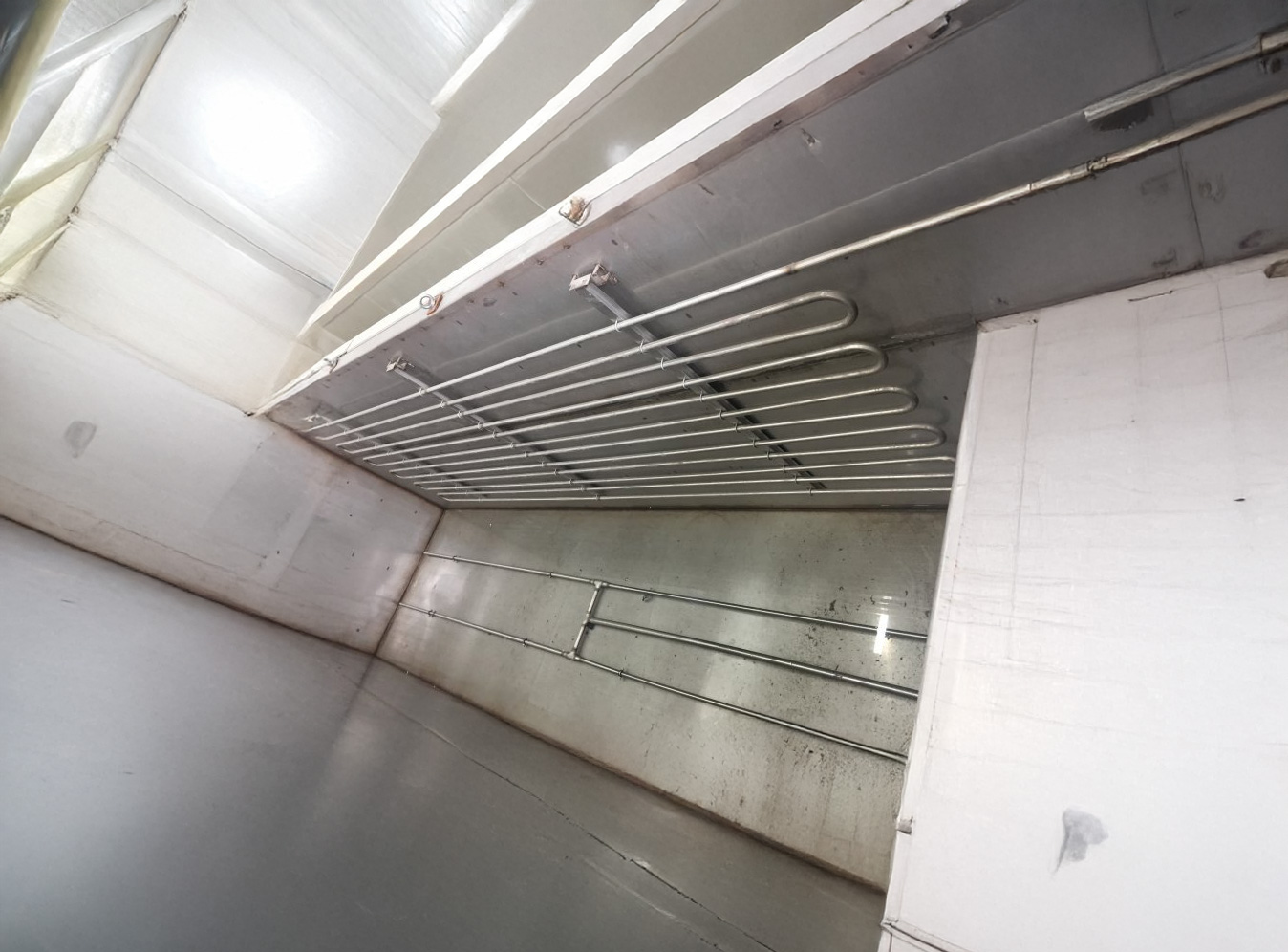
After manufacturing, weld areas, connection details and overall fabrication quality are inspected. When required, tanks can also be engineered together with heating and cooling systems, agitators, level control, pumps, filtration systems, extraction hoods and other process equipment.
Request a Quote for a Chemical Plating Bath
For a new chemical plating bath, surface treatment tank or complete process line, you can share technical information such as tank dimensions, process chemicals, operating temperature and required capacity with us.
Based on this information, the IDEA SISTEM engineering team evaluates the appropriate material, tank construction and auxiliary equipment to develop a solution tailored to your project. Contact us for detailed technical information and a quotation.