
Acid-Resistant PP and HDPE Centrifugal Fans
Clean Air, Safer Future
Acid-Resistant Fan Design and Manufacturing
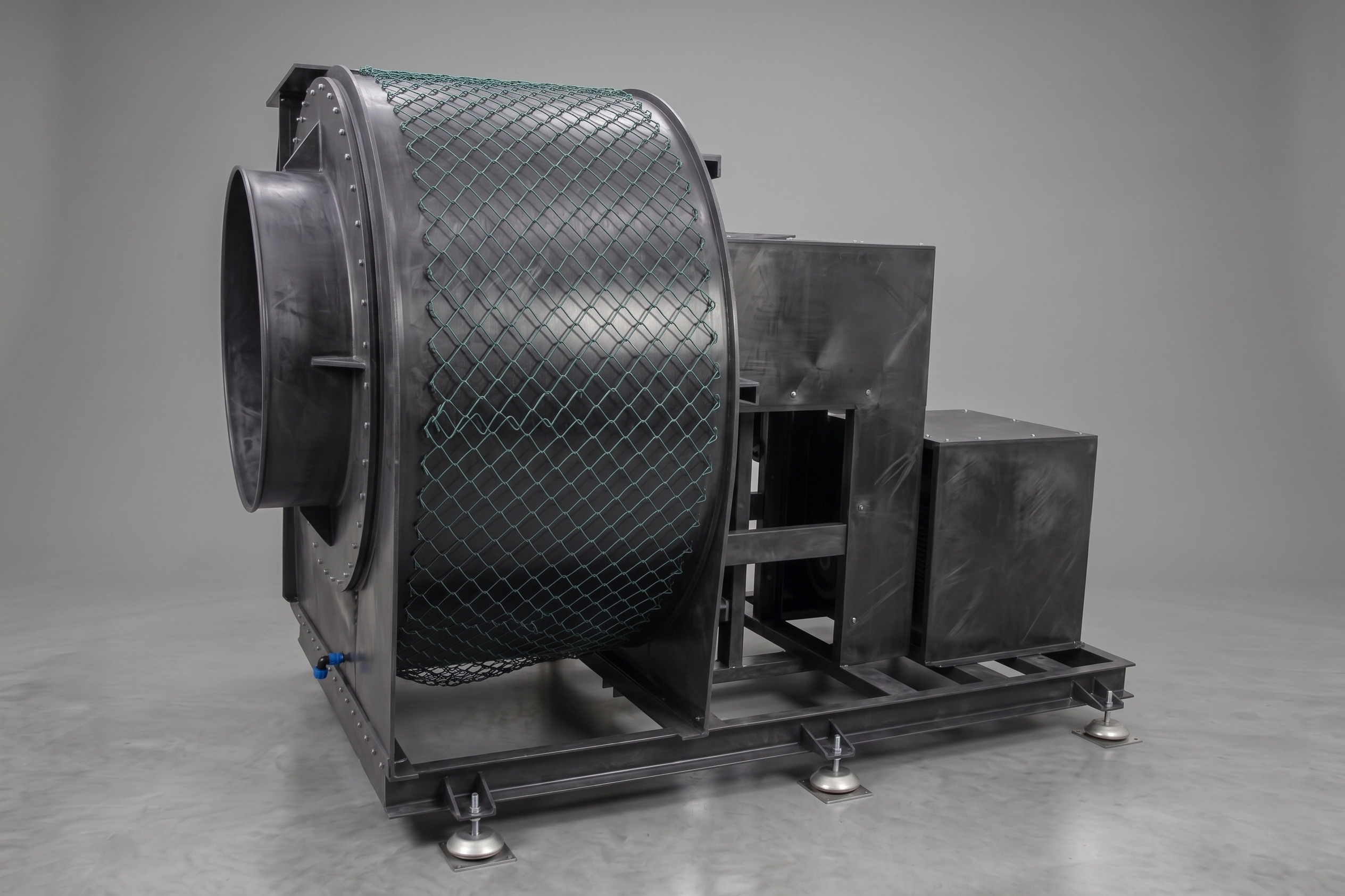
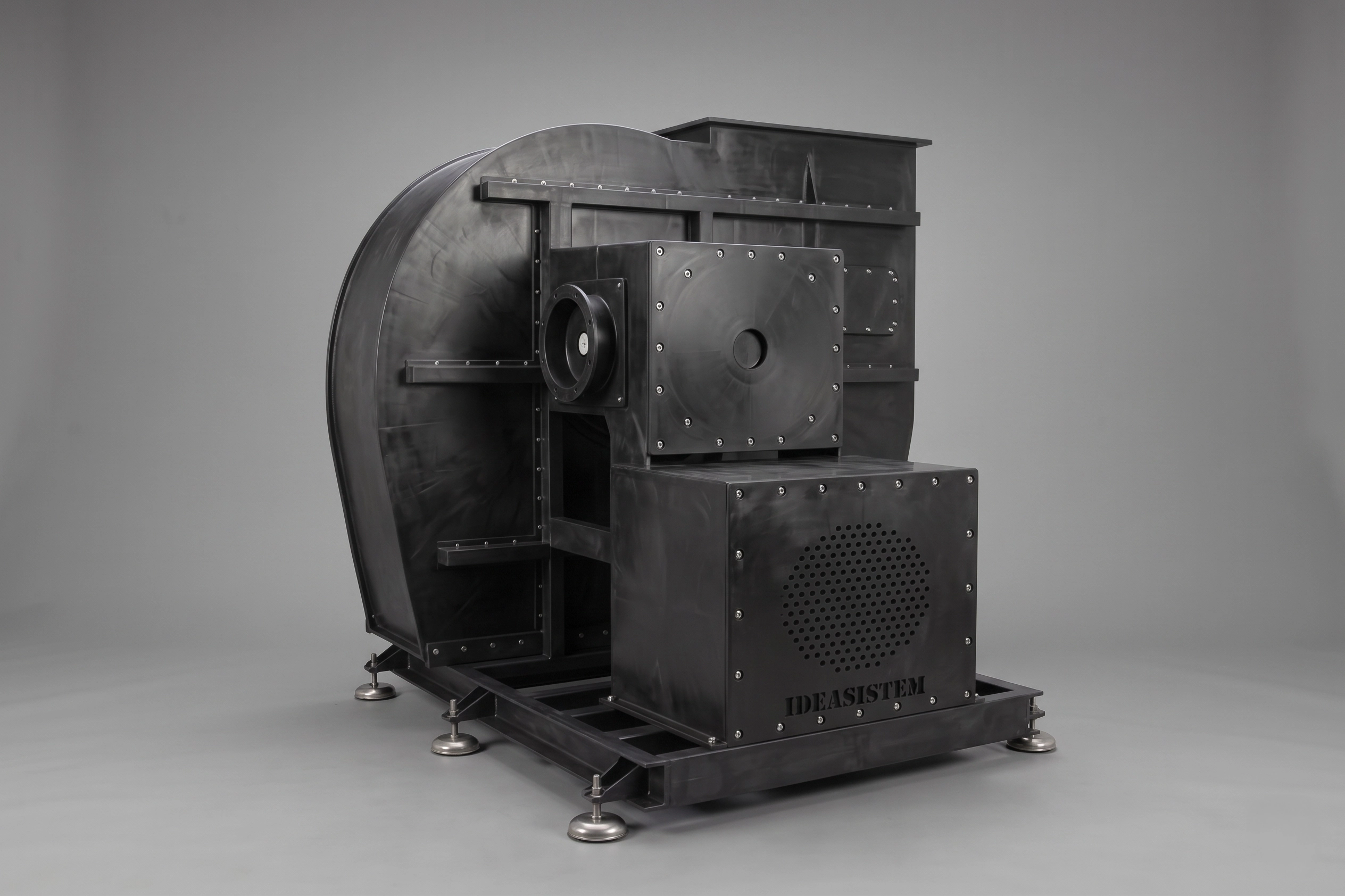
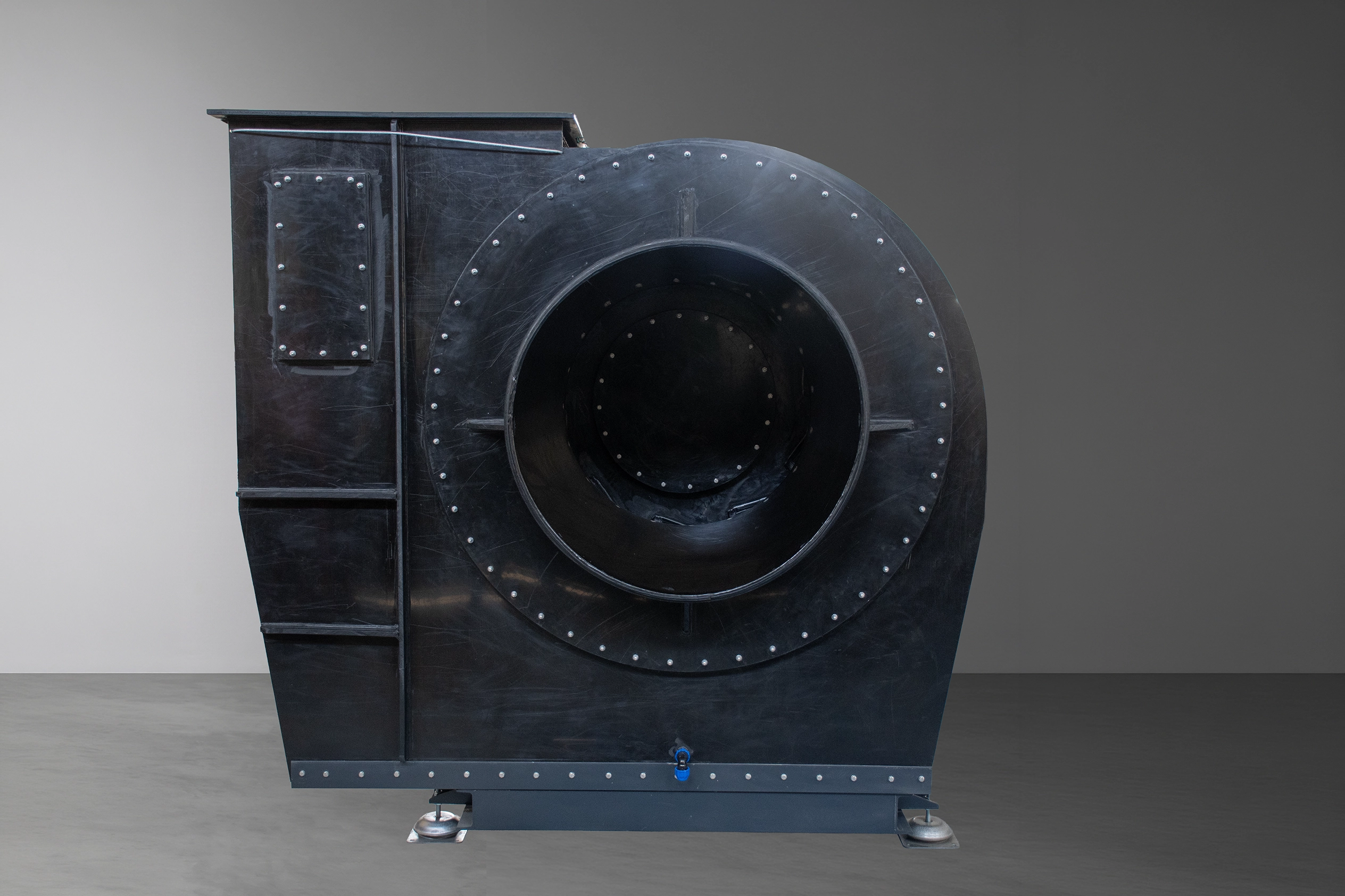
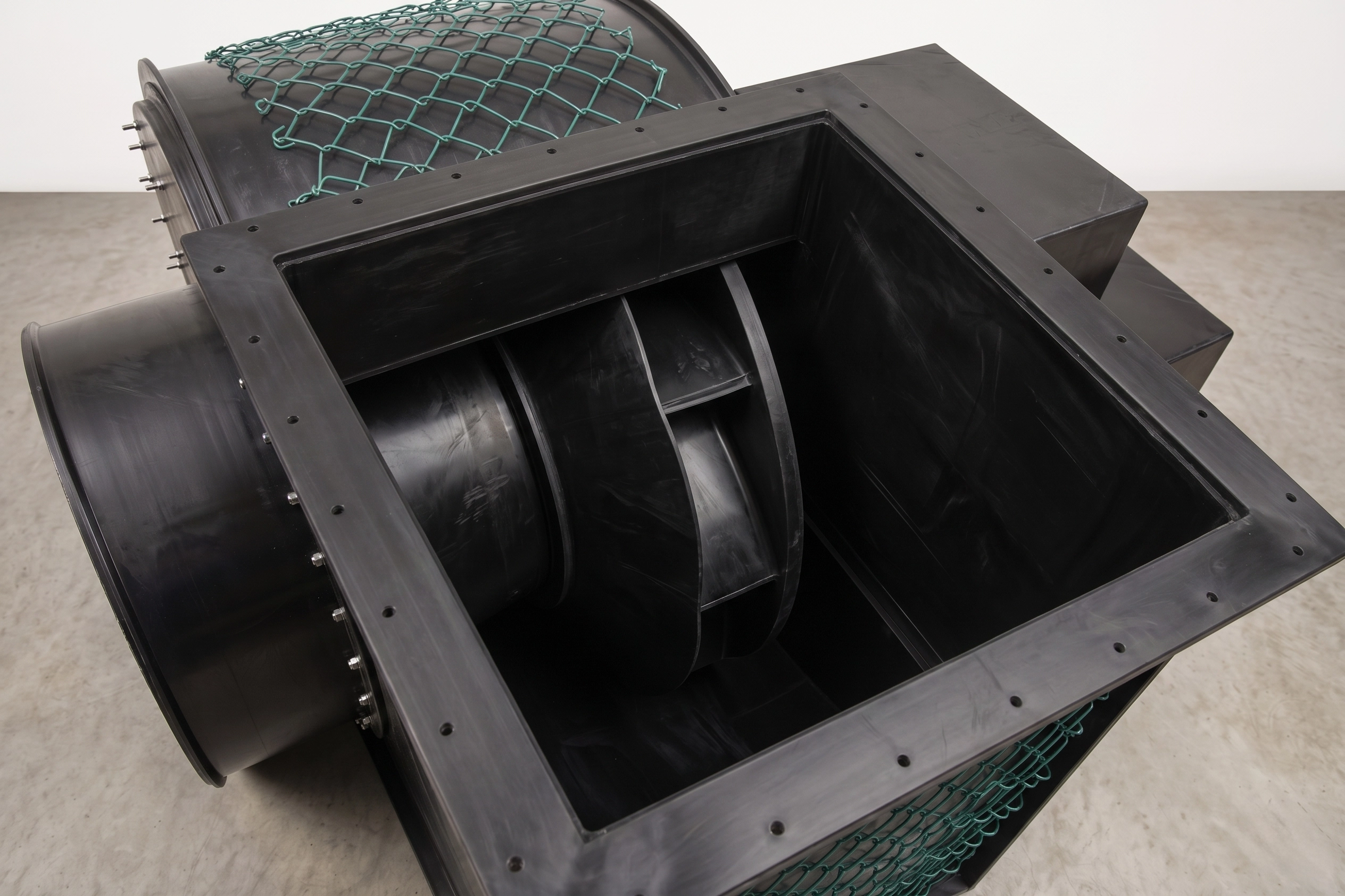
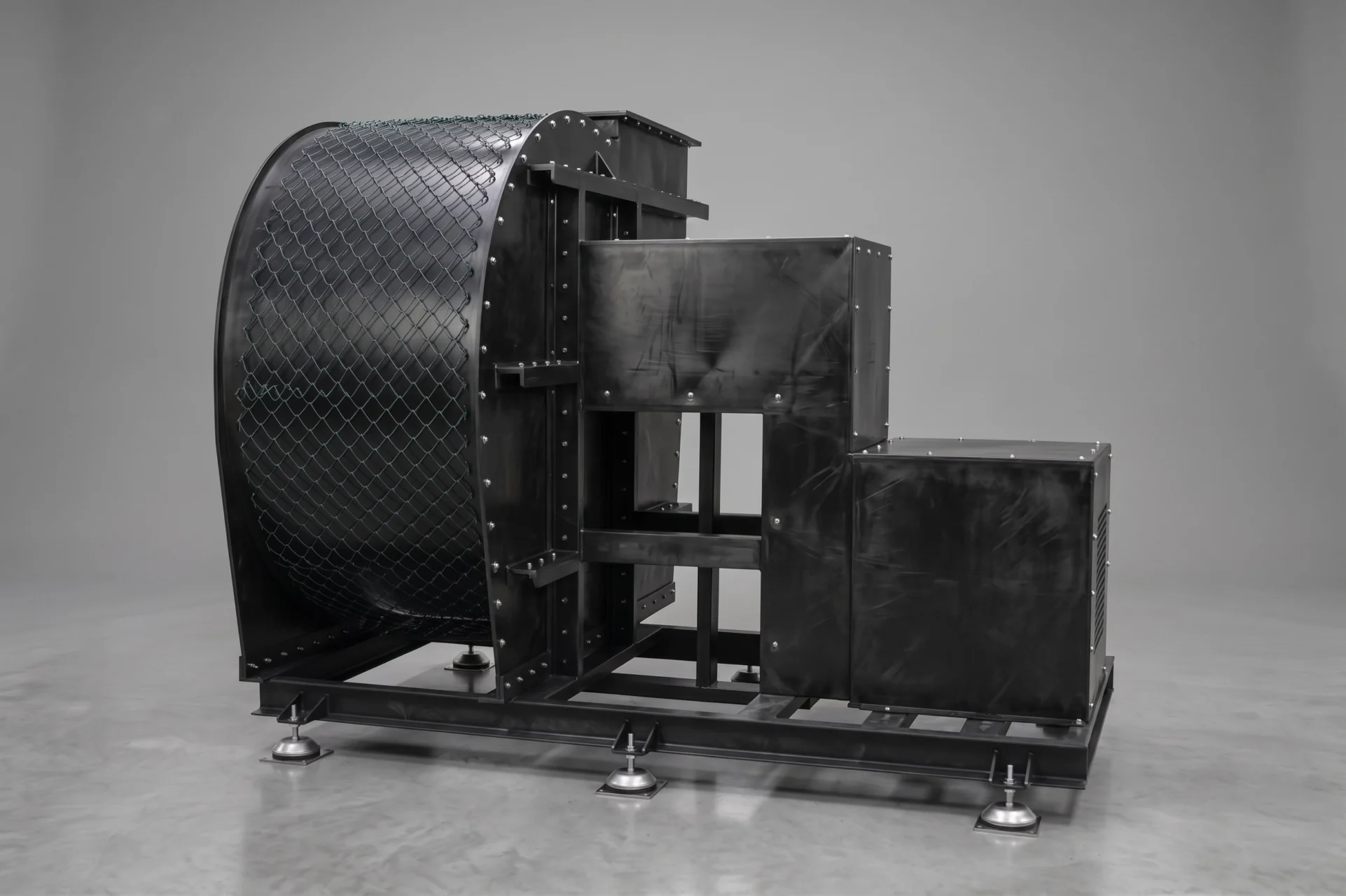
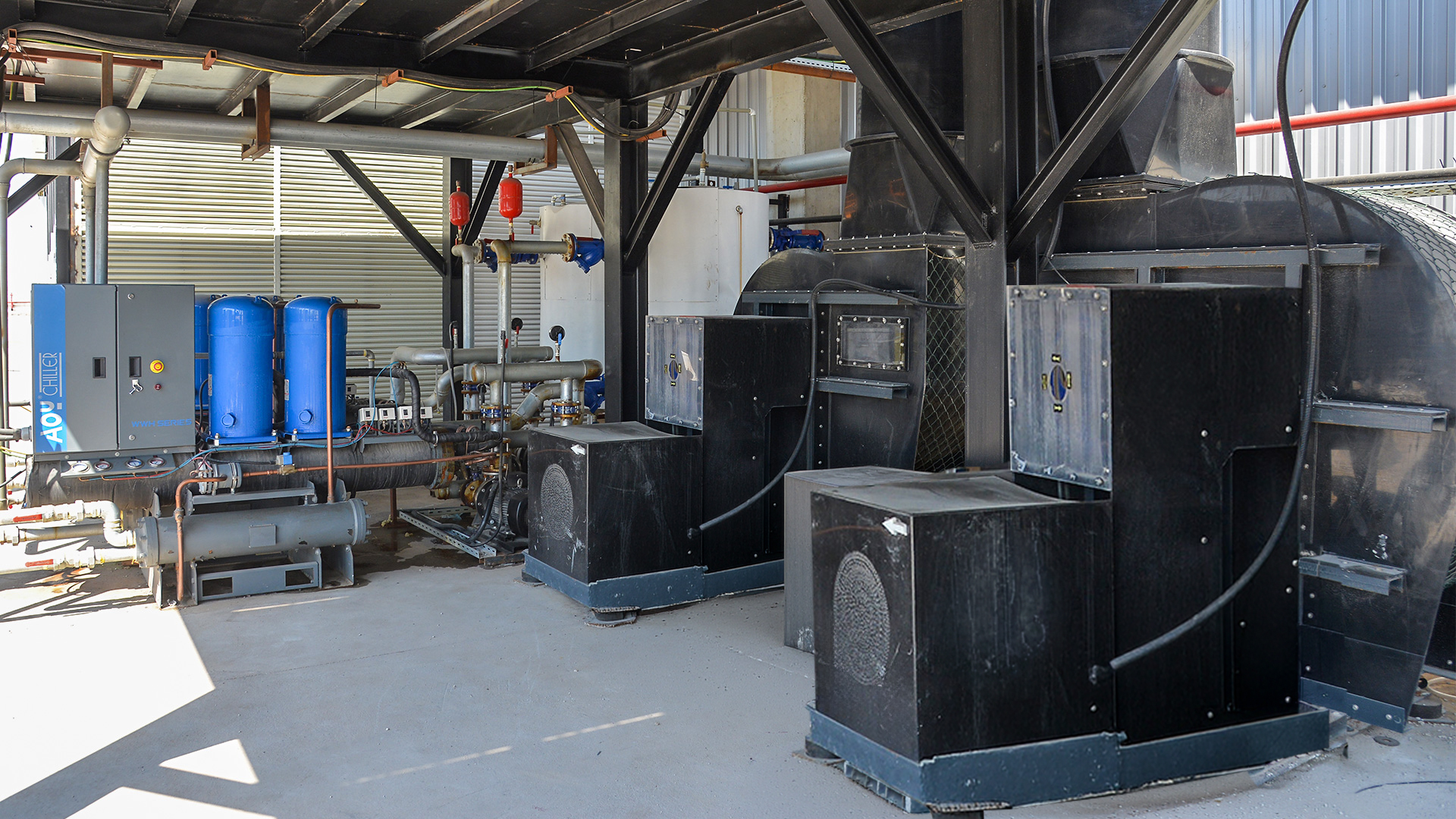
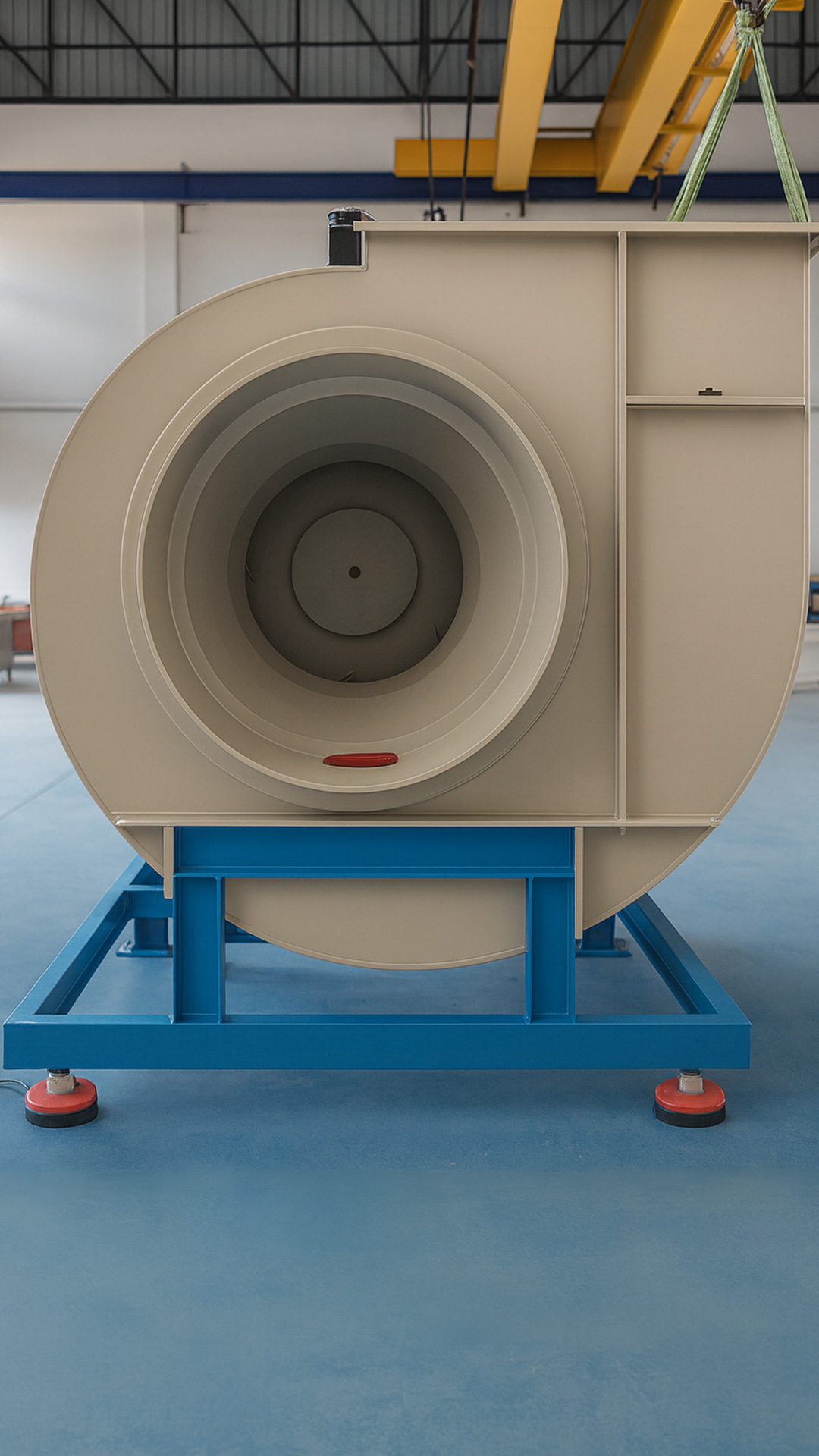
IDEA SISTEM designs and manufactures acid-resistant fans and thermoplastic centrifugal fan systems for the extraction of chemical fumes and corrosive gases from industrial processes. Depending on project requirements, our fans are manufactured using PP (Polypropylene) and HDPE (High-Density Polyethylene).
Material selection is based on the chemical properties of the extracted gas, operating temperature, required airflow, system pressure losses and operating conditions. This allows the fan to be engineered not only according to capacity, but also according to the actual operating conditions of the process.
What Is an Acid Fan (PP Centrifugal Fan)?
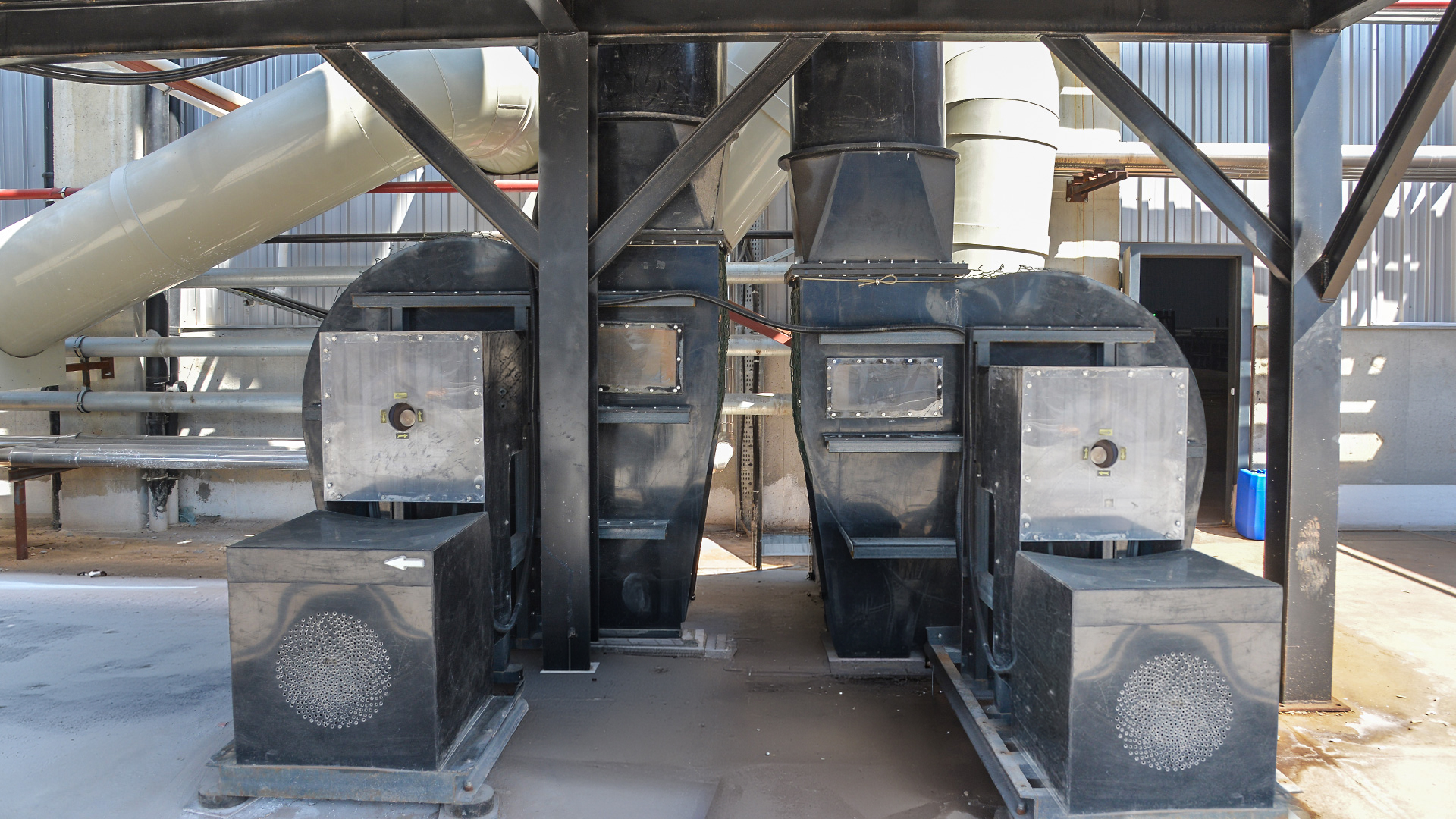
An acid fan is a centrifugal ventilation unit used to extract air containing acid vapors, chemical aerosols and corrosive gases from the process area and transport it through ductwork to a wet scrubber or suitable exhaust system.
In applications where metal fans may be adversely affected by the chemical environment, thermoplastic materials such as PP or HDPE can provide an effective alternative when compatible with the process conditions. Chemical resistance is particularly important in surface treatment lines, chemical processes and gas scrubbing systems.
PP and HDPE Fans for Corrosive Environments
Acid-resistant fans can be used in the chemical industry, surface treatment and plating plants, wastewater treatment systems, laboratories and other corrosive industrial processes. Fan casing, impeller design and connection details are evaluated according to the chemical and mechanical requirements of the application.
The objective is to remove chemical fumes from their source in a controlled manner, reduce the corrosive atmosphere within the facility and ensure that the ventilation system operates in accordance with process requirements.
Project-Specific Airflow and Pressure Design
IDEA SISTEM develops centrifugal PP and HDPE fan solutions for applications ranging from small process systems to large industrial facilities. Depending on project requirements, different fan sizes and configurations can be evaluated for airflow capacities of approximately 150 m³/h to 50,000 m³/h.
Fan selection is not based on airflow alone. Duct losses, extraction hoods, elbows, filters or wet scrubber pressure losses, process temperature and the chemical properties of the gas must also be evaluated together.
Technical options available depending on the project:
- Direct-drive fan configurations
- Belt-driven systems
- Coupling-driven configurations
- ATEX-compliant motor options depending on the application
- PP or HDPE construction
- Fan solutions integrated with wet scrubber and duct systems
Applications of Acid-Resistant Fans
Applications of Acid-Resistant Fans
PP and HDPE centrifugal fans can be used in a wide range of industrial processes involving chemical and corrosive air streams.
- Surface treatment and plating plants: Anodizing, zinc plating, nickel plating, chrome plating, phosphating and chemical surface preparation lines
- Chemical industry: Processes involving acids, solvents and corrosive chemical vapors
- Wet scrubber systems: Fan and extraction applications for gas scrubbing towers
- Wastewater treatment plants: Chemical tanks and process ventilation
- Laboratories and testing areas: Fume hoods and local extraction systems
- Pharmaceutical and process industries: Chemical vapor extraction applications
- Fertilizer and chemical production plants: Process areas containing corrosive gases
Frequently Asked Questions About Acid-Resistant PP and HDPE Fans
What Is the Difference Between PP and HDPE Acid Fans?
PP (Polypropylene) and HDPE (High-Density Polyethylene) are thermoplastic materials used in chemical environments. The appropriate material should be selected according to the type and concentration of the chemical, operating temperature, outdoor conditions and mechanical requirements.
PP is widely used in many chemical process applications, while HDPE can provide advantages under different mechanical and environmental conditions. IDEA SISTEM evaluates the process information to determine the appropriate fan material for each application.
Where Are Acid-Resistant Fans Used?
Acid-resistant fans can be used in surface treatment plants such as anodizing, galvanizing, nickel plating, chrome plating and phosphating lines, as well as chemical plants, wastewater treatment systems, laboratories and wet scrubber applications.
Fan material and construction should always be evaluated according to the chemical properties of the extracted gas and the operating temperature of the process.
What Airflow Capacities Are Available for PP and HDPE Fans?
Fan capacity is determined according to the requirements of the facility. IDEA SISTEM designs centrifugal fan solutions ranging from small local extraction applications to large industrial ventilation systems.
Depending on project requirements, fan solutions can be evaluated for airflow capacities of approximately 150 m³/h to 50,000 m³/h. Final fan selection also considers the required static pressure and total system pressure losses.
What Information Is Required for Fan Selection?
Required airflow alone is not sufficient for correct fan selection. The engineering process should consider airflow, required pressure, type and concentration of the gas or chemical vapor, operating temperature, duct dimensions and whether the system includes a wet scrubber or filter.
This information is used to determine the appropriate fan diameter, motor power, rotational speed, impeller geometry and construction material.
Can an Acid Fan Be Used with a Wet Scrubber?
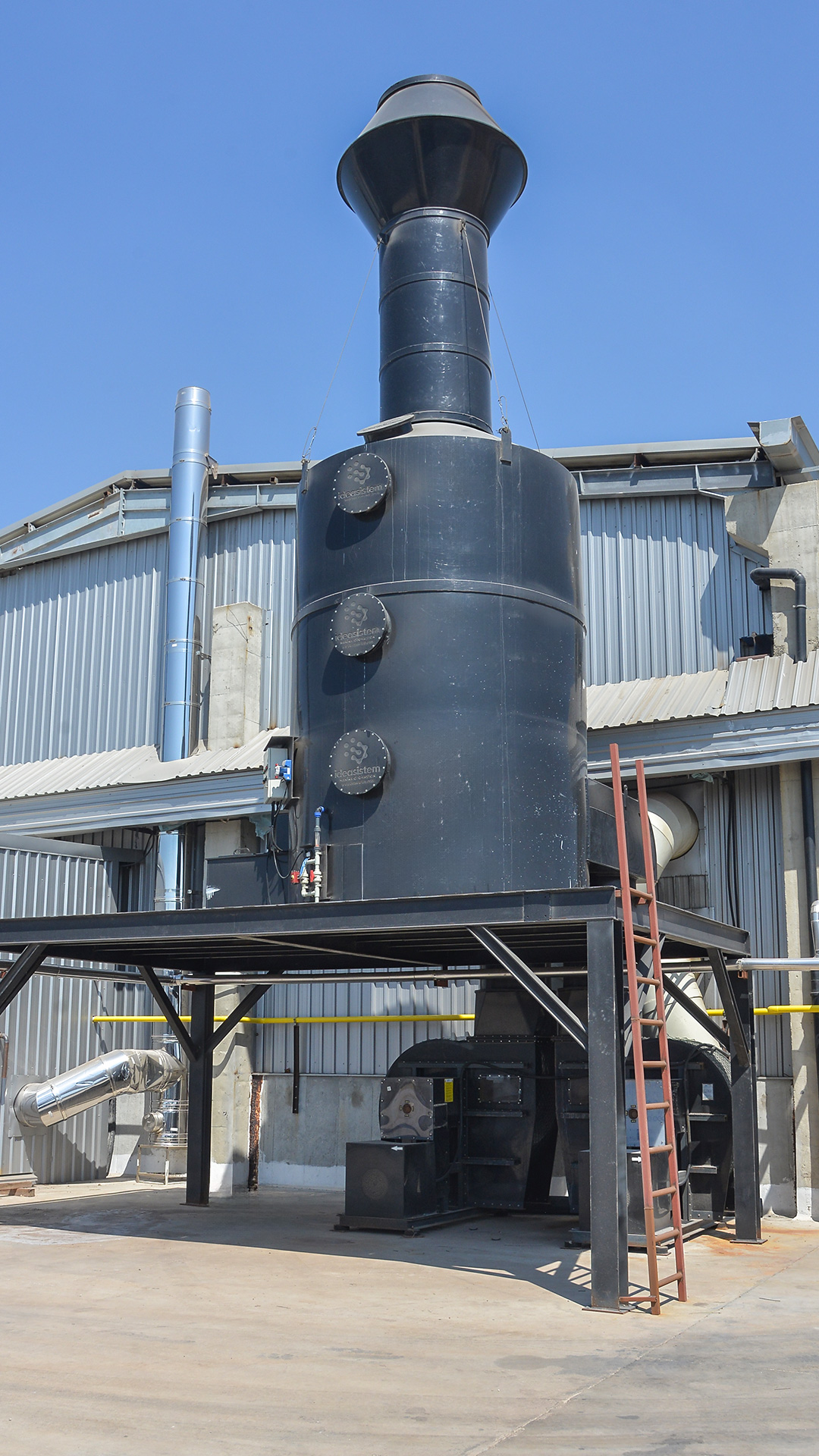
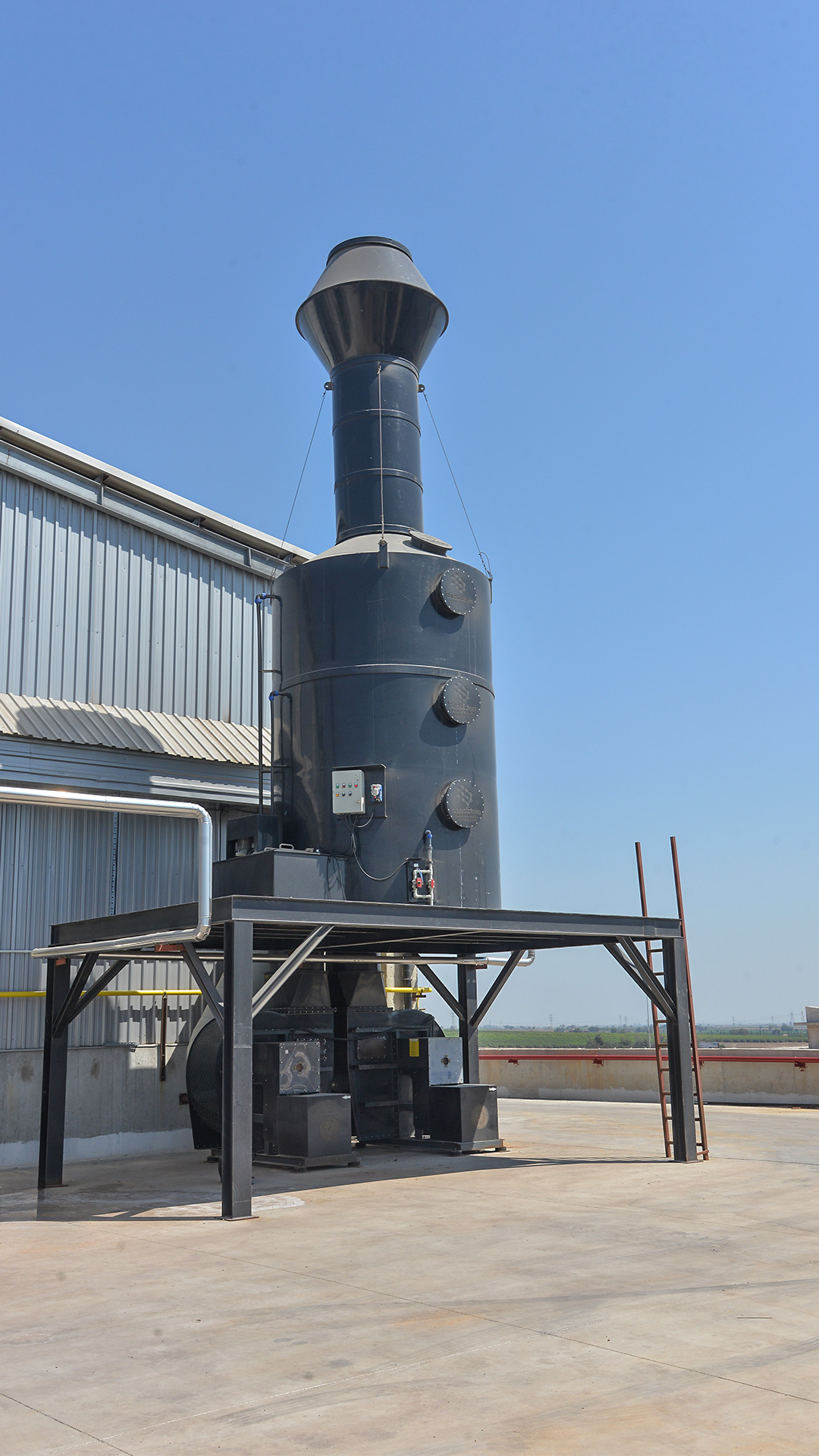
Yes. When extracting chemical fumes alone is not sufficient, the fan system can be engineered together with a wet scrubber.
Fan airflow and pressure must be selected to overcome the total pressure losses generated by the wet scrubber, ductwork, extraction hoods and other system components. IDEA SISTEM can design the fan and wet scrubber as part of the same integrated project.
Acid-Resistant Fan Selection and Engineering
Correct acid-resistant fan selection involves much more than choosing an airflow capacity from a catalogue. Extraction hoods, duct length and diameter, elbows, dampers, wet scrubbers and filters all contribute directly to the total system pressure loss.
For this reason, IDEA SISTEM evaluates airflow, static pressure requirement, process chemistry, operating temperature, duct system and operating conditions together when engineering a fan system. Fan casing, impeller geometry, motor power and drive configuration are selected according to these parameters.
In chemical plating and surface treatment lines, the fan system should be engineered together with the extraction hoods and ducts of the process tanks. For more information about our chemical plating baths and surface treatment tanks, visit our
Chemical Plating Bath page.
PP Fan and Wet Scrubber Integration
Integrated Fume Extraction and Gas Treatment System
Air extracted from chemical processes may contain acid gases, chemical vapors and corrosive contaminants.
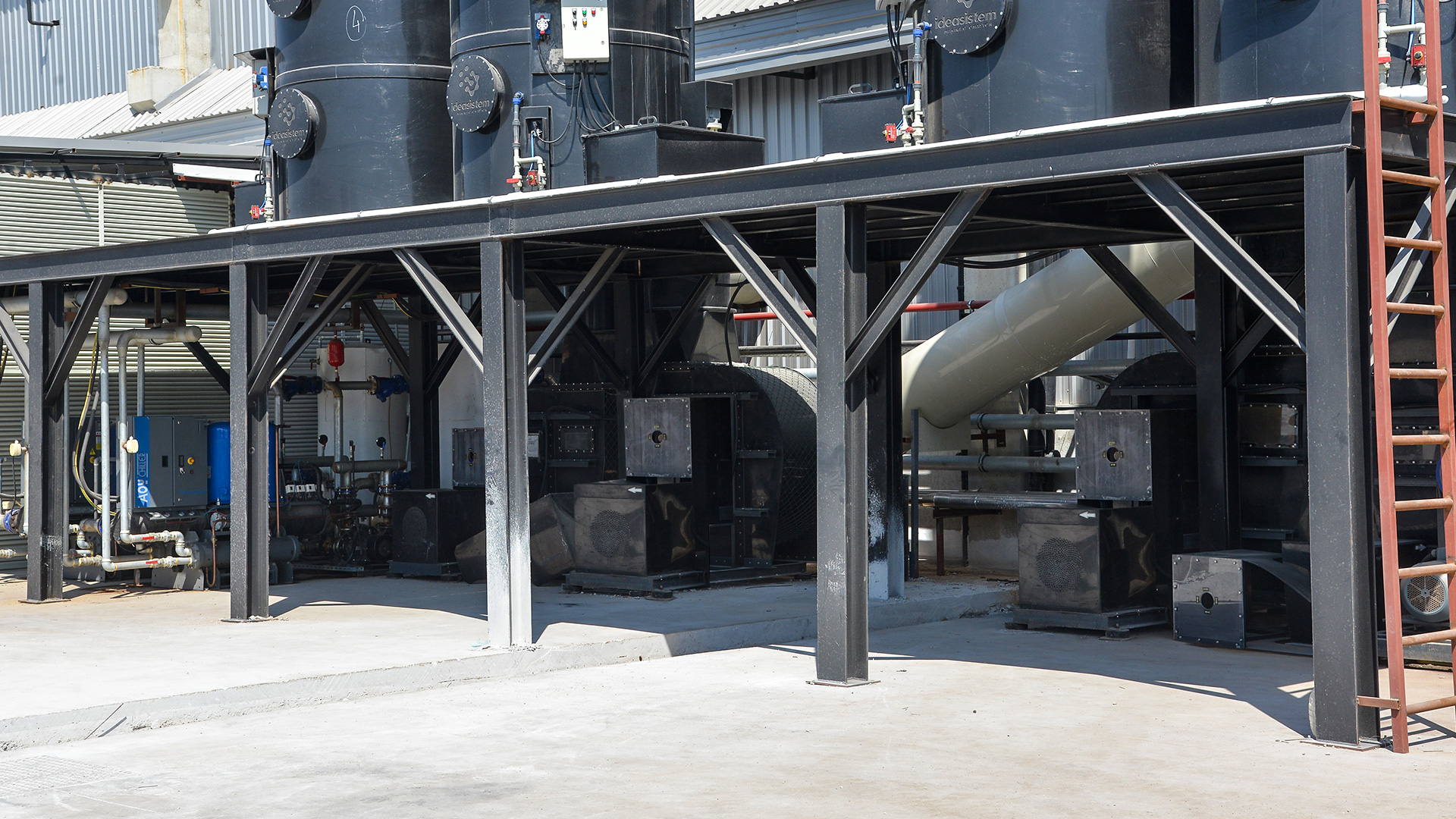
For this reason, the PP or HDPE centrifugal fan, wet scrubber and duct system are evaluated together.
The fan, scrubber and extraction ducts are engineered as one integrated airflow system.
The objective is to transport and treat contaminated process air in a controlled manner.
Fan Design Based on Airflow and Pressure Calculations
Fan selection is not based only on the required airflow.
Pressure losses generated by duct lengths, elbows, extraction hoods and dampers are calculated.
The wet scrubber pressure loss and stack conditions are also included in the calculation.
Based on these parameters, the required fan airflow, pressure, motor power and operating point are determined.
Project-Specific Engineering and Technical Support
IDEA SISTEM can engineer PP/HDPE fans, thermoplastic ducting, extraction hoods and wet scrubber systems as part of the same project.
Process chemistry, required airflow, operating temperature and plant layout are evaluated together.
Engineering support can be provided for both new facilities and the modernization of existing ventilation systems.
Contact us for a project-specific technical solution and quotation.